Guide
Heart Health Supplements Compared: What the Evidence Shows
Heart health supplements are products sold to support blood pressure, cholesterol or heart function, and their evidence ranges from modest to weak. Beet nitrate, arginine and citrulline lowered systolic pressure about 4 to 5 mm Hg in short trials. Garlic shows small effects, omega-3 results are mixed, CoQ10 probably does not lower pressure, and red yeast rice acts like a statin drug.
Written by the Melonex label deskUpdated
Definition01
What are heart health supplements?
Heart health supplements are capsules, powders or oils sold to support blood pressure, cholesterol or the heart. Common ones are amino acids, CoQ10, fish oil, red yeast rice, garlic, beetroot nitrate and potassium.
The NIH's complementary health center sums up the field plainly: evidence for supplements in high blood pressure is limited (NCCIH, hypertension digest). A few show small effects in short trials. Others show little or nothing.
We compare them by category, with no brand names. Every finding below comes from NIH fact sheets or a pooled trial analysis.
Evidence table02
Which heart health supplements have the best evidence?
No heart health supplement has strong evidence. Beet nitrate, arginine and citrulline have the clearest numbers from pooled trials. Each lowered systolic pressure by roughly 4 to 5 mm Hg, at doses of grams a day (Siervo 2013, nitrate meta-analysis) (Dong 2011, arginine meta-analysis) (Barkhidarian 2019, citrulline meta-analysis).
Garlic and omega-3 have weaker or mixed support. CoQ10 probably does nothing for blood pressure. Red yeast rice works on cholesterol only because it can contain a drug.
| Supplement | What the evidence shows | Effect reported | Main caution | Evidence |
|---|---|---|---|---|
| L-arginine | 11 pooled trials, 4-24 g a day | About 5.4/2.7 mm Hg lower | Not after a heart attack; adds to BP drugs and nitrates | Modest (Dong 2011, arginine meta-analysis) |
| L-citrulline | 8 pooled trials, 3-9 g a day | About 4.1 mm Hg lower systolic; diastolic not significant | Same pressure cautions as arginine | Modest (Barkhidarian 2019, citrulline meta-analysis) |
| Beetroot nitrate | 16 trials, 254 people, 2 hours to 15 days | 4.4 mm Hg lower systolic; diastolic not significant | Trials were short; longer ones needed | Modest, short (Siervo 2013, nitrate meta-analysis) |
| Garlic | Limited evidence | Slightly lower BP and LDL in people with high levels | Bleeding risk with blood thinners or aspirin | Weak (NCCIH, Garlic) (NCCIH, hypertension digest) |
| Omega-3 (EPA + DHA) | Mixed blood pressure results | Strongest at 2 g a day or more in untreated high BP; lowers triglycerides | Bleeding with warfarin at high doses | Mixed (NIH ODS, Omega-3s) (NCCIH, hypertension digest) |
| CoQ10 | Small amount of evidence | Probably no meaningful BP drop | May interact with warfarin and insulin | Weak (NCCIH, Coenzyme Q10) |
| Red yeast rice | Monacolin K is the drug lovastatin | Statin-like effect, dose unknown | Unapproved drug if monacolin is substantial; citrinin | Drug risk (NCCIH, Red yeast rice) |
| Potassium | Low intake raises BP | More potassium plus less sodium may lower BP | Dangerous with kidney disease, ACE inhibitors, some diuretics | Food first (NIH ODS, Potassium) |
Omega-303
Does omega-3 fish oil help the heart?
Omega-3 fish oil helps the heart less clearly than eating fish does. NIH notes that eating seafood is linked to better heart health, and the AHA advises one to two servings a week (NIH ODS, Omega-3s).
For supplements the picture narrows. The AHA suggests about 1 g a day of EPA plus DHA for people with heart disease, but does not recommend omega-3 pills for people without high cardiovascular risk (NIH ODS, Omega-3s).
On blood pressure, results are mixed. A 2014 analysis found the strongest effect in untreated people with high blood pressure taking 2 g a day or more (NCCIH, hypertension digest). More EPA and DHA does lower triglycerides (NIH ODS, Omega-3s).
FDA advises no more than 5 g a day of EPA plus DHA from supplements (NIH ODS, Omega-3s).
CoQ1004
Is CoQ10 worth taking for the heart?
CoQ10 has little support for heart use so far. NCCIH says the small amount of evidence suggests it probably does not meaningfully lower blood pressure (NCCIH, Coenzyme Q10).
Research on CoQ10 for heart failure is inconclusive. The overall evidence also does not show that it eases muscle pain linked to statins (NCCIH, Coenzyme Q10).
It is usually well tolerated. No serious side effects have been reported, though some people get insomnia or an upset stomach. It may interact with warfarin and insulin (NCCIH, Coenzyme Q10).
Red yeast rice05
Why is red yeast rice different from other heart supplements?
Red yeast rice is different because it can contain a prescription drug. Its monacolin K is chemically identical to lovastatin, a cholesterol medicine (NCCIH, Red yeast rice).
FDA treats products with substantial monacolin K as unapproved new drugs that cannot be sold legally in the U.S. Monacolin content varies widely and is rarely on the label (NCCIH, Red yeast rice).
Quality is a second problem. In a 2021 check of 37 products, only one had citrinin, a kidney toxin, below the EU limit (NCCIH, Red yeast rice).
Red yeast rice with real monacolin K can cause statin-like muscle, kidney and liver harm and interacts with the same drugs as statins (NCCIH, Red yeast rice). Ask your doctor before mixing them.
Melonex: from $49 a bottle60 capsules · 2, 3 or 6 bottles · free US shipping on 3 or 6 · 60-day guarantee
See packsGarlic and beet06
Do garlic and beetroot nitrate affect blood pressure?
Garlic and beetroot nitrate both affect blood pressure a little. For garlic, limited evidence suggests a slight drop in people with high blood pressure (NCCIH, Garlic).
A 2015 analysis of 9 garlic trials hinted at a benefit, but NCCIH calls that evidence not strong (NCCIH, hypertension digest). Garlic may also trim total and LDL cholesterol a little in people with high cholesterol (NCCIH, Garlic).
Beetroot juice and nitrate lowered systolic pressure by 4.4 mm Hg across 16 trials. Higher nitrate doses went with bigger drops, but the trials lasted 15 days at most (Siervo 2013, nitrate meta-analysis).
Garlic
Small, uncertain effects. Side effects include breath and body odor, stomach pain, gas and nausea. Tell your surgeon or doctor if you take it with a blood thinner or aspirin (NCCIH, Garlic).
Beetroot nitrate
A clear short-term systolic drop in 254 people. The diastolic change was not significant, and the authors call for longer trials in higher-risk groups (Siervo 2013, nitrate meta-analysis).
Potassium07
Do potassium supplements help blood pressure?
Potassium helps blood pressure mainly when it comes from food and sodium also comes down. NIH says low potassium can raise blood pressure, and more potassium with less sodium may lower it and stroke risk (NIH ODS, Potassium).
Adult men need 3,400 mg a day and women 2,600 mg. Beans, potatoes, bananas, spinach, dried apricots, prunes, milk and yogurt are good sources (NIH ODS, Potassium).
Pills and salt substitutes carry a real risk for some people. With chronic kidney disease, ACE inhibitors or potassium-sparing diuretics, potassium can climb to dangerous levels (NIH ODS, Potassium).
Where Melonex sits08
How do arginine and citrulline compare with the other heart health supplements?
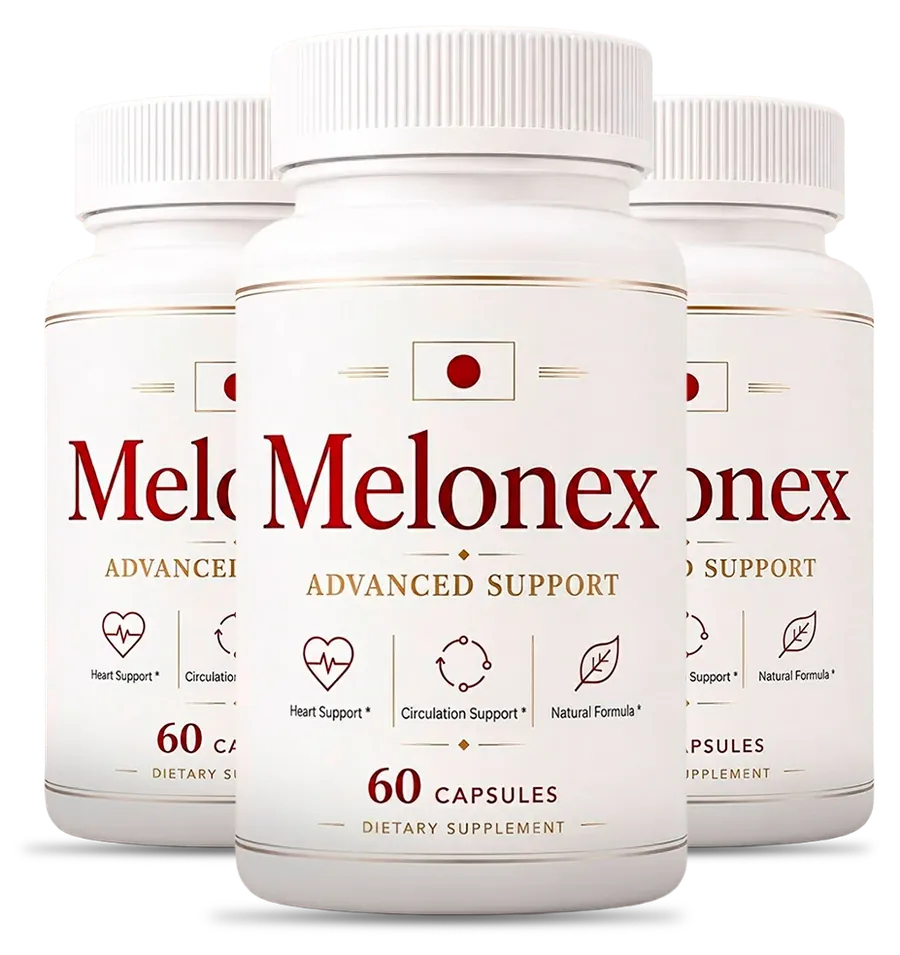
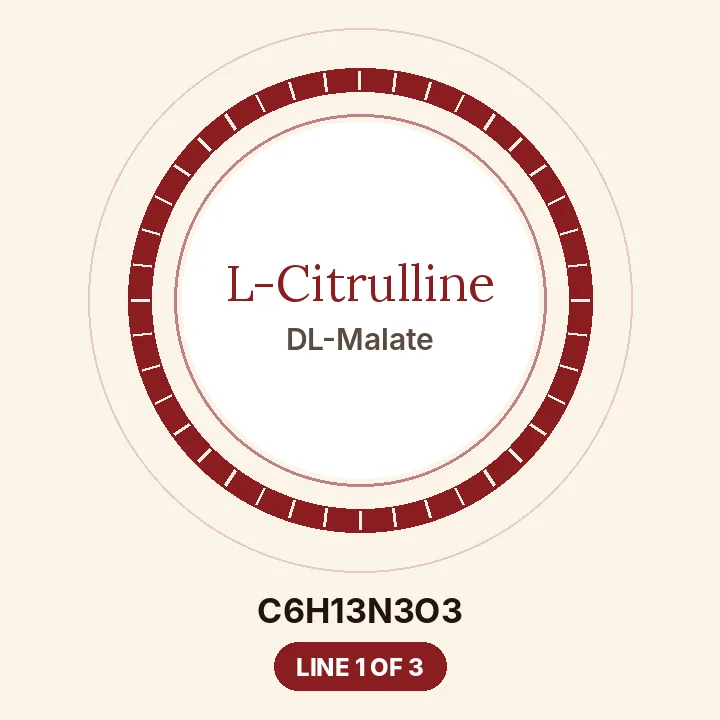
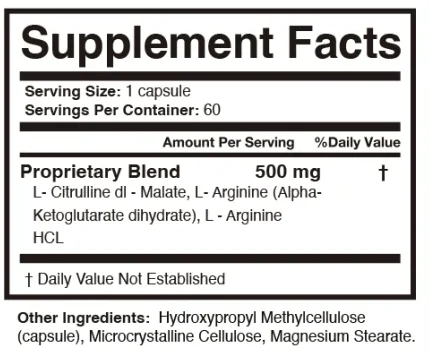
Arginine and citrulline sit near the top on blood pressure numbers, level with beet nitrate. But those trials used 3 to 24 g a day (Dong 2011, arginine meta-analysis) (Barkhidarian 2019, citrulline meta-analysis), and a Melonex capsule holds a 500 mg blend.
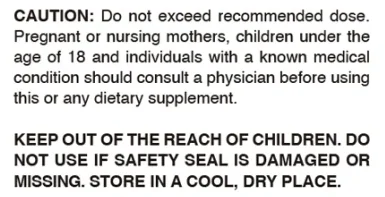
So Melonex is a low-dose version of a modestly supported idea. No trial has tested the capsules, and arginine is not recommended after a recent heart attack (Mayo Clinic, L-arginine).
Keep taking prescribed medicine while you compare any of these products. None of them is a substitute for it.
Where it compares well
- Ingredients with pooled blood pressure trials behind them
- No herbs, no drug-like monacolin
- Short label with every ingredient named
Where it falls short
- 0.5 to 1 g a day, far below trial doses
- Single amounts hidden in a proprietary blend
- No study of the product itself

The two amino acids are weighed against each other in arginine vs citrulline. The capsule math is on the Melonex dose check, and drug clashes are in supplements and heart medicines.
FAQ09
Heart supplement questions
What is the best supplement for heart health?
No single supplement stands out. Beet nitrate, arginine and citrulline show modest systolic drops of about 4 to 5 mm Hg in short trials, and the rest show less. For fish fats, NIH points to seafood meals before pills (Siervo 2013, nitrate meta-analysis) (Dong 2011, arginine meta-analysis) (NIH ODS, Omega-3s).
Is fish oil as good as eating fish?
Not by current advice. The AHA recommends one to two seafood servings a week and does not recommend omega-3 supplements for people without high cardiovascular risk. For people with heart disease it suggests about 1 g a day of EPA plus DHA (NIH ODS, Omega-3s).
How much omega-3 a day is too much?
FDA advises no more than 5 g a day of EPA plus DHA from supplements. High doses may cause bleeding problems in people taking warfarin or other blood thinners, so check with your doctor first (NIH ODS, Omega-3s).
Is red yeast rice legal in the U.S.?
Products with substantial monacolin K are treated by FDA as unapproved new drugs that are not sold legally. Since monacolin content is rarely labeled, a buyer often cannot tell what a bottle contains (NCCIH, Red yeast rice).
Does CoQ10 help with statin muscle pain?
The overall evidence does not show that it does, according to NCCIH. CoQ10 is generally well tolerated, but it may interact with warfarin and insulin, so mention it to your doctor (NCCIH, Coenzyme Q10).
Can garlic pills thin the blood?
Garlic supplements may increase bleeding risk. NCCIH advises telling your providers before surgery, or if you take anticoagulants or aspirin. Garlic may also interfere with the drug saquinavir (NCCIH, Garlic) (NCCIH, hypertension digest).
How fast does beetroot juice affect blood pressure?
The pooled trials ran from 2 hours to 15 days and found a 4.4 mm Hg systolic drop. Nobody yet knows whether that effect lasts over months, which is why the authors asked for longer trials (Siervo 2013, nitrate meta-analysis).
Who wrote this10
Written and reviewed by
Pages built from the label, the sales page and linked NIH, FDA, AHA, CDC, FTC and peer-reviewed sources.
Last updated . Read our editorial standards and how we check reviews. This website is run by a USA authorized Melonex retailer, not by the manufacturer or the distributor. We earn money when you buy through our order links.
Keep reading
More about Melonex
USA authorized Melonex retailer
Ready to try Melonex?
Check your medicines first, then pick a pack. Three or six bottles ship free in the US and cost less per bottle, and the 60-day guarantee opens after 30 days of use.
- Secure checkout
- 60-day guarantee
- Ships from the U.S.