Guide
Heart Health Habits: DASH, Less Salt, Movement and Home Readings
Heart health habits are the daily choices with the strongest public health backing for blood pressure: the DASH eating plan, no more than 2,300 mg of sodium a day (1,500 mg is ideal), at least 150 minutes of moderate activity a week plus strength work twice a week, and regular home readings shared with your doctor.
Written by the Melonex label deskUpdated
A day, mapped01
What daily habits support heart health?
The daily habits that support heart health are eating in the DASH pattern, keeping sodium low, moving most days and checking blood pressure at home. Each one has a clear target set by the AHA or the NIH (NHLBI, DASH eating plan) (AHA, sodium per day) (AHA, physical activity).
None of them needs special products. They work around the meals, walks and sleep you already have.
The dial maps one sample day. The capsule time on it is only a suggestion, since the Melonex label names no time of day.
- Morning, about 7:30
Sit quietly, take a home blood pressure reading, then one capsule with a full glass of water. Prescribed medicine stays on its own schedule.
- A brisk walk
Adults are advised to get at least 150 minutes of moderate activity a week.
- Plates and salt
The DASH eating plan and less sodium both lower blood pressure in studies.
- Night, 7 to 9 hours
Same bedtime, same wake time. Take the evening reading, if your doctor asks for one, before bed.
Habits from AHA (AHA, physical activity), NHLBI (NHLBI, DASH eating plan) and AHA sodium advice (AHA, sodium per day); home readings per AHA (AHA, home BP monitoring). The time for the capsule is a suggestion; the label sets none.
DASH02
What is the DASH eating plan?
The DASH eating plan is a flexible way of eating built to help blood pressure. DASH stands for Dietary Approaches to Stop Hypertension, and the NIH's heart institute publishes it (NHLBI, DASH eating plan).
It is a pattern, not a menu. You fill most of the plate with plant foods and lean protein, and you cut back on a short list of foods.
Eat more often
Vegetables, fruits, whole grains, low- or no-fat dairy, fish, poultry, beans, nuts and vegetable oils.
Eat less often
Fatty meats, full-fat dairy, tropical oils, sugary drinks and sweets.
DASH has two sodium levels. The standard plan allows 2,300 mg a day, and the 1,500 mg version lowered blood pressure even further (NHLBI, DASH eating plan).
Sodium03
How much sodium should you eat a day?
You should eat no more than 2,300 mg of sodium a day, and the AHA's ideal limit for most adults is 1,500 mg or less (AHA, sodium per day).
Most people are well above that. The average American eats over 3,100 mg a day, so the typical gap to the upper limit is more than 800 mg. Cutting even 1,000 mg a day can improve blood pressure for most people (AHA, sodium per day).
| Sodium a day | What it is | Source |
|---|---|---|
| Over 3,100 mg | What Americans eat on average | (AHA, sodium per day) |
| 2,300 mg | AHA upper limit; also the standard DASH target | (AHA, sodium per day) (NHLBI, DASH eating plan) |
| 1,500 mg | AHA ideal limit for most adults; the lower DASH level | (AHA, sodium per day) (NHLBI, DASH eating plan) |
| 1,000 mg less | A cut that can help blood pressure for most people | (AHA, sodium per day) |
| About 800 mg | Minimum gap between the average and the upper limit (3,100 minus 2,300) | Worked from (AHA, sodium per day) |
Activity04
How much exercise do adults need for heart health?
Adults need at least 150 minutes of moderate aerobic activity a week, or 75 minutes of vigorous activity, or a mix of the two. The AHA suggests spreading it through the week (AHA, physical activity).
Add muscle-strengthening work at least 2 days a week. Reaching 300 minutes of activity a week gives extra benefit (AHA, physical activity).
Simple math helps. Thirty minutes on five days makes 150. Two 15-minute walks a day on those five days add up to the same total.
- 150 minutes moderate, or 75 vigorous, each week
- Strength work on at least 2 days
- 300 minutes a week for added benefit
- If you have a heart condition, ask your doctor what level is safe to start at
Potassium05
Why does potassium matter for blood pressure?
Potassium matters for blood pressure because low intake can raise it, especially when sodium is high. More potassium together with less sodium may lower blood pressure and stroke risk (NIH ODS, Potassium).
Adults need 3,400 mg a day (men) or 2,600 mg (women). Good food sources include dried apricots, prunes, bananas, potatoes, spinach, beans, milk and yogurt (NIH ODS, Potassium).
More is not always safe. People with chronic kidney disease, or who take ACE inhibitors or potassium-sparing diuretics, can build up dangerously high potassium, salt substitutes included (NIH ODS, Potassium).
Arginine may raise blood potassium too (Health Library, Arginine). If your doctor watches your potassium, mention any arginine product, Melonex included.
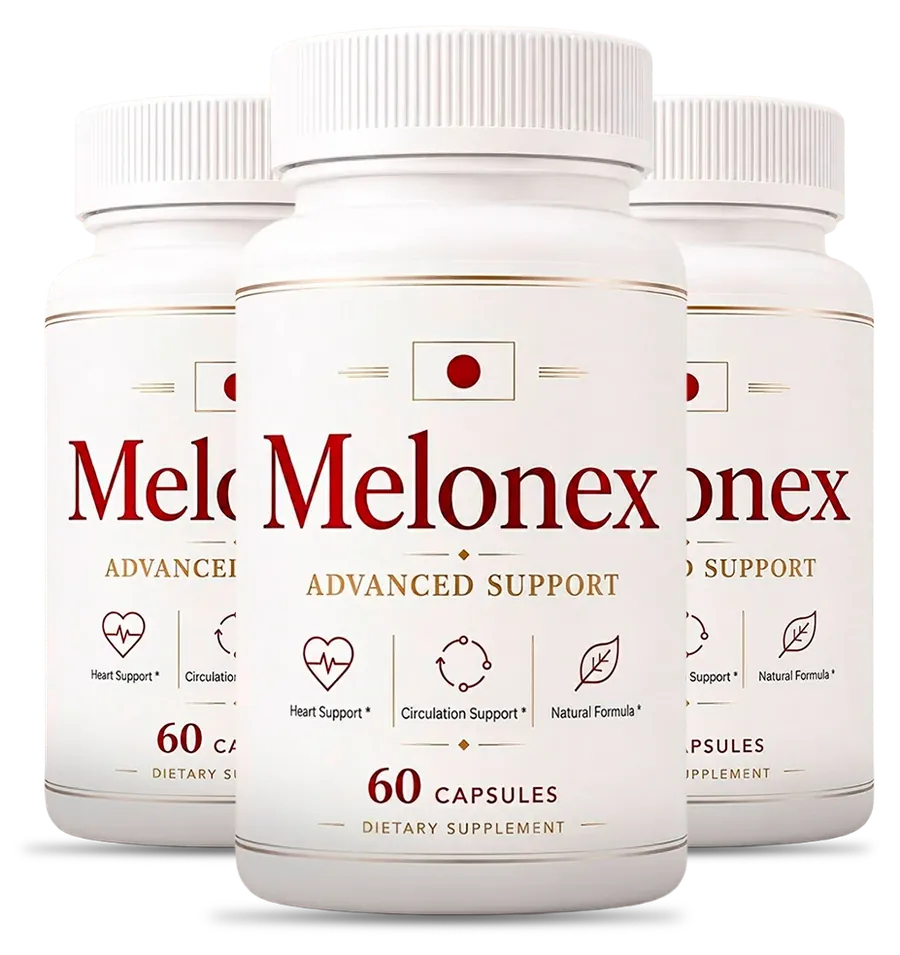
Melonex: from $49 a bottle60 capsules · 2, 3 or 6 bottles · free US shipping on 3 or 6 · 60-day guarantee
See packsHome readings06
How do home blood pressure readings fit into a routine?
Home blood pressure readings fit best at one fixed time each day, before coffee or exercise. The AHA advises two readings one minute apart, both written down (AHA, home BP monitoring).
The 2025 AHA/ACC guideline gives home monitoring a larger role in care (AHA, 2025 BP guideline). A tidy log turns your habits into numbers your doctor can use.
- Before you start
Use an upper-arm cuff sized to your arm. Have it checked against clinic equipment about once a year (AHA, home BP monitoring).
- Each morning
Sit quietly for 5 minutes, arm at heart level, cuff on bare skin. Take two readings and write both.
- Each week
Note any change you made: less salt, more walks, a new supplement. One change at a time keeps the log readable.
- At the visit
Bring the log. The category of each reading is explained in blood pressure numbers.
Where capsules fit07
Where does a supplement fit next to these habits?
A supplement fits beside these habits, never in place of them. Diet, sodium and activity targets come from the AHA and NIH. No trial has tested Melonex at all.
The amino acids inside Melonex lowered blood pressure slightly in trials of 3 to 24 g a day (Dong 2011, arginine meta-analysis) (Barkhidarian 2019, citrulline meta-analysis). One capsule holds 0.5 g of blend, and the label allows two.
Keep taking prescribed medicine as your doctor directed while you work on habits. A medicine is matched to your readings; a capsule is not.
How to take the capsules is on how to take Melonex, and the dose math is on the dose check.
Getting started08
How do you build heart health habits one step at a time?
Build heart health habits one at a time, in small steps you can measure. Starting with readings first gives every later change a baseline.
The order below is a suggestion, not a rule. Ask your doctor to adjust it if you have a heart condition.
Week 1: measure
Morning readings every day, two each, written down (AHA, home BP monitoring).
Week 2: read labels
Add up the sodium on food labels for a few days and compare it with 2,300 mg (AHA, sodium per day).
Week 3: move
Plan your 150 minutes across the week and pick two strength days (AHA, physical activity).
Week 4: plates
Shift one meal a day toward the DASH foods (NHLBI, DASH eating plan).
Then review the log with your doctor. The results timeline shows how to judge a change fairly.
FAQ09
Heart habit questions
Is the DASH diet hard to follow?
DASH is a flexible eating pattern, not a strict menu. It asks for more vegetables, fruit, whole grains, beans, nuts and lean protein, and less fatty meat, full-fat dairy, sugary drinks and sweets. You can begin by changing one meal a day (NHLBI, DASH eating plan).
Can I split 150 minutes of exercise into short sessions?
The AHA asks for 150 minutes of moderate activity a week, preferably spread through the week. Splitting it across days is in line with that advice. Ask your doctor how to start if you have a heart condition (AHA, physical activity).
Are salt substitutes safe for everyone?
No. Many salt substitutes contain potassium. People with chronic kidney disease, or who take ACE inhibitors or potassium-sparing diuretics, can develop dangerously high potassium from them. Ask your doctor before switching (NIH ODS, Potassium).
Which foods are high in potassium?
NIH lists dried apricots, prunes, bananas, potatoes, spinach, beans, milk and yogurt among good sources. Adult men need 3,400 mg a day and women 2,600 mg, ideally from food (NIH ODS, Potassium).
How much does cutting salt help blood pressure?
The AHA says cutting even 1,000 mg of sodium a day can improve blood pressure for most people. In the DASH research, 1,500 mg a day lowered blood pressure further than 2,300 mg did (AHA, sodium per day) (NHLBI, DASH eating plan).
Do I need strength training for heart health?
The AHA recommends moderate- to high-intensity muscle-strengthening activity on at least 2 days a week, on top of aerobic activity. It counts as its own target, separate from the 150 aerobic minutes (AHA, physical activity).
What time of day is best for a home blood pressure reading?
The AHA advice is the same time each day, so readings compare fairly. A morning slot before coffee and exercise is easy to keep. Sit quietly for 5 minutes first and take two readings a minute apart (AHA, home BP monitoring).
Who wrote this10
Written and reviewed by
Pages built from the label, the sales page and linked NIH, FDA, AHA, CDC, FTC and peer-reviewed sources.
Last updated . Read our editorial standards and how we check reviews. This website is run by a USA authorized Melonex retailer, not by the manufacturer or the distributor. We earn money when you buy through our order links.
Keep reading
More about Melonex
USA authorized Melonex retailer
Ready to try Melonex?
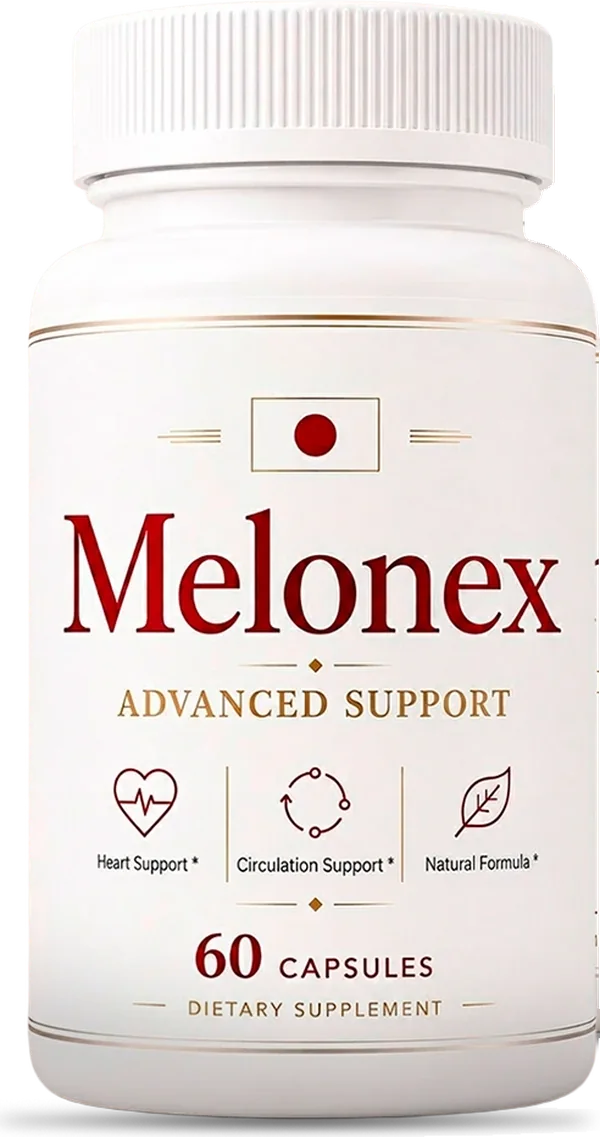
Check your medicines first, then pick a pack. Three or six bottles ship free in the US and cost less per bottle, and the 60-day guarantee opens after 30 days of use.
- Secure checkout
- 60-day guarantee
- Ships from the U.S.